
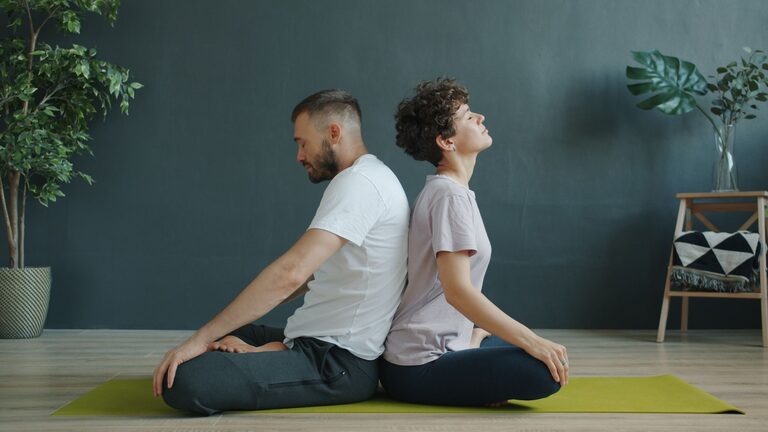
Taking a moment to focus on your breath can be a powerful way to center yourself, reduce stress, and increase focus during a busy day. Mindful breathing breaks are accessible to everyone and require no special equipment or extensive training. Whether you are at work, home, or on the go, incorporating mindful breathing into your routine can improve your overall well-being.
In this post, we’ll explore beginner-friendly tips to help you start mindful breathing breaks, including easy techniques, when to practice them, and how to make them a regular habit.
What Is Mindful Breathing?
Mindful breathing means paying close attention to the natural rhythm of your breath without trying to change it. It involves observing each inhale and exhale as it happens, allowing your mind to settle on the present moment.
This practice helps create awareness of your body and mind, promoting relaxation and reducing feelings of stress or overwhelm.
Why Take Mindful Breathing Breaks?
Our daily lives can be hectic, filled with multitasking and constant stimulation. Taking short breaks to focus on your breath offers several benefits:
– Reduces stress: Mindful breathing activates the body’s relaxation response, lowering cortisol levels.
– Improves concentration: Resetting your focus on your breath can clear mental clutter.
– Enhances mood: Deep breathing increases oxygen flow, which can uplift your mood.
– Supports emotional regulation: Regular practice helps you respond calmly to challenging situations.
When to Practice Mindful Breathing Breaks
You can integrate mindful breathing breaks into your day anytime you need a moment of calm or reset. Here are a few ideal moments:
– During work or study breaks: Every hour or so, pause for a few minutes to re-center.
– Before stressful events: Meetings, presentations, or difficult conversations.
– After physical activity: To cool down and bring your attention inward.
– First thing in the morning or before bed: Set a peaceful tone for your day or unwind.
How to Prepare for a Mindful Breathing Break
You don’t need a special space or props, but a few simple steps can enhance your experience:
– Find a comfortable position: Sit or stand with your back straight, shoulders relaxed.
– Minimize distractions: Turn off notifications or find a quiet spot if possible.
– Set a timer: Start with 1-3 minutes; you can gradually increase as you get comfortable.
Beginner Techniques for Mindful Breathing
Here are some easy mindful breathing exercises to get started:
1. Basic Breath Awareness
– Close your eyes if you’d like.
– Take a natural breath in through your nose.
– Notice the sensation of the air entering your nostrils, filling your lungs.
– Follow the breath as you exhale gently.
– If your mind wanders, gently bring your attention back to the breath.
– Repeat for 1-3 minutes.
2. 4-4-4 Breathing (Box Breathing)
– Inhale slowly through your nose for a count of 4.
– Hold your breath for a count of 4.
– Exhale gently through your mouth for a count of 4.
– Hold your lungs empty for a count of 4.
– Repeat this cycle 3-5 times.
This technique promotes calm and control.
3. Deep Belly Breathing
– Place one hand on your belly.
– Inhale deeply through your nose, feeling your belly rise.
– Exhale slowly through your mouth, noticing your belly fall.
– Focus on the rise and fall of your abdomen.
– Continue for 2-3 minutes.
Deep belly breathing encourages relaxation and oxygen flow.
Tips to Make Mindful Breathing Breaks a Habit
– Schedule reminders: Use phone alarms or calendar alerts.
– Pair with daily routines: Breathe mindfully while waiting for your computer to start or during coffee breaks.
– Keep it short: Even brief moments of mindful breathing count.
– Be patient: It’s normal for your mind to wander; gently refocus without judgment.
– Explore apps and resources: Guided breathing apps can provide structure and motivation.
Common Challenges and How to Overcome Them
– Restlessness or boredom: Try different techniques or vary the setting.
– Forgetting to practice: Link breathing breaks to existing habits, like after brushing your teeth.
– Difficulty focusing: Start with very short sessions and gradually extend them.
Final Thoughts
Mindful breathing breaks are a simple yet effective way to nurture your mental and emotional health. Starting with just a few minutes a day can create space for calm in a busy world. Remember, the goal is not to control your breath perfectly but to develop kindness and curiosity toward yourself in the moment.
Give these beginner tips a try and enjoy the benefits of mindful breathing throughout your day!