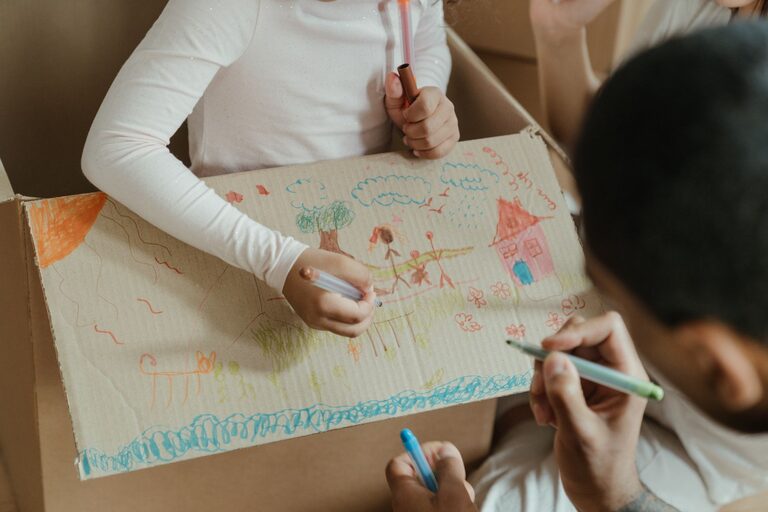
Children’s artwork is a wonderful expression of their creativity, imagination, and growth. Every scribble, painting, and craft project tells a story and holds sentimental value. However, keeping all those masterpieces organized can quickly become overwhelming for parents. If you’re looking for practical ways to manage your kids’ art without losing those precious memories, this guide will offer simple and effective tips to keep the clutter down and the art organized.
Why Organizing Kids’ Art Matters
Kids can create dozens of drawings, paintings, and crafts in a short time. Without a system, these artworks can pile up, making it hard to appreciate and preserve them. Organizing art helps you:
– Store memories safely
– Reduce clutter and mess
– Encourage your child’s pride in their work
– Easily find and share favorite pieces
With these benefits in mind, let’s explore some straightforward strategies to organize the art you cherish.
Create a Display Area at Home
One of the best ways to honor your child’s creativity is by showcasing their art. It also helps reduce piles of artwork waiting to be sorted.
Ideas for Display:
– Bulletin Boards or Corkboards: Pin up current favorites and rotate them as new pieces come in.
– String and Clips: Hang a string or wire on a wall and use clothespins to display drawings.
– Framed Gallery Wall: Select a few special pieces for framing and create a dedicated gallery space.
– Magnetic Boards: Great for easy swapping using magnets.
Displaying art not only keeps it neat but also boosts your child’s confidence seeing their creations celebrated.
Sort and Categorize Regularly
Set aside time every week or month to go through new art. Sorting helps keep your system manageable and prevents overwhelming clutter.
Sorting Tips:
– Keep the Best: Select your child’s most meaningful or impressive pieces.
– Group by Type: Separate drawings, paintings, crafts, and three-dimensional items.
– Include Your Child: Let them help choose which pieces to keep or recycle.
By sorting regularly, you stay on top of the collection and make decisions easier.
Use Storage Solutions that Work
After sorting, storing art properly keeps it protected and accessible.
Storage Ideas:
– Art Portfolio Folders: Large, expandable folders designed to hold flat artwork.
– Plastic Storage Bins: Clear bins for crafts and 3D projects, labeled by year or child.
– Binders with Sheet Protectors: Perfect for smaller drawings and papers.
– Digital Storage: Photograph or scan artwork and keep digital copies in organized folders or apps.
Label storage containers with dates or child’s names to easily find items later.
Go Digital: Scan or Photograph the Art
Digitizing art is a space-saving alternative and allows you to share creations with family or create digital albums.
Tips for Digitizing:
– Use natural light and a simple background when photographing.
– Scan flat pieces for high-quality images.
– Organize digital files by date or theme.
– Create slideshows or print photo books for a lasting keepsake.
Digital copies make great gifts and preserve memories without the physical clutter.
Repurpose and Celebrate Art in Creative Ways
You don’t have to keep every original piece intact, but you can still appreciate them by turning art into useful or decorative items.
Creative Ideas:
– Make greeting cards or gift tags using cut-out sections.
– Frame collages made from several small drawings.
– Use art to wrap small presents.
– Turn drawings into fabric prints for pillows or t-shirts using online services.
Repurposing art gives it new life while keeping memories close.
Set Boundaries and Be Selective
It’s important to be realistic about how much you can save. Setting limits helps prevent overwhelm.
Boundaries to Consider:
– Designate one bin or box per child per year.
– Agree on a maximum number of pieces saved monthly.
– Encourage children to pick favorites and let go of others respectfully.
Teaching kids about valuing quality over quantity is a useful life skill.
Encourage Your Child’s Involvement
Organizing kids’ art can be a fun and bonding activity. Involving your child teaches responsibility and pride in their creative expression.
How to Involve Kids:
– Let them help with sorting and choosing display spots.
– Create an “art curator” role for them to update the gallery.
– Ask them to explain the story behind each piece as you organize together.
This collaboration makes the process enjoyable and meaningful.
Final Thoughts
Keeping kids’ artwork organized doesn’t have to be stressful. By creating designated display areas, regularly sorting, choosing effective storage, digitizing, and involving your child, you can preserve these precious memories while maintaining a tidy home. Remember, the goal is to celebrate your child’s creativity without the overwhelm. Happy organizing!