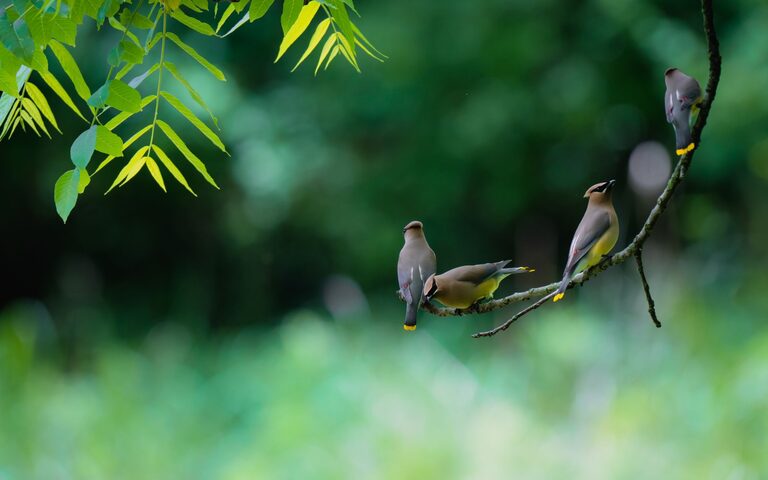
Birdwatching can be a relaxing and rewarding hobby, offering a great way to connect with nature without leaving your backyard. Whether you live in a city, suburb, or rural area, your outdoor space can become a haven for local birds. This guide provides beginner tips to help you get started with backyard birdwatching, from creating the right environment to identifying your feathered visitors.
Why Backyard Birdwatching?
Birdwatching in your own backyard is convenient and accessible. You don’t need special equipment or a lot of time to enjoy birds. It also encourages mindfulness and patience as you learn about different species and their behaviors.
Getting Started: What You Need
1. Choose the Right Spot
Find a comfortable place where you can sit quietly without disturbing the birds. This could be a porch, deck, or near a window with a clear view of your yard or garden.
2. Invest in Basic Equipment
While you don’t need much, a few items can enhance your experience:
– Binoculars: A small, lightweight pair helps you see details without getting too close.
– Field Guide or App: A bird identification book or smartphone app can help you recognize species.
– Notebook or Journal: Record your sightings and observations to track your progress.
Attracting Birds to Your Backyard
Creating an inviting environment is key to attracting a variety of birds.
1. Provide Food
Offering the right food is essential. Different birds prefer different seeds and treats.
– Seed Mixes: Black oil sunflower seeds attract many common birds.
– Suet: Good for woodpeckers and insect-eaters.
– Nectar Feeders: Attract hummingbirds with a mix of four parts water to one part sugar.
– Fruit: Slices of apple or orange can draw fruit-loving birds.
Place feeders at different heights to attract a variety of species, and keep feeders clean to prevent disease.
2. Ensure Fresh Water
Birds need water for drinking and bathing. Place a birdbath or shallow water dish in a safe, visible spot. Keep the water fresh and clean, especially during hot weather.
3. Create Shelter and Nesting Sites
Birds need safe places to rest and raise their young.
– Plant native trees and shrubs for natural cover.
– Add birdhouses designed for local species.
– Leave dead branches or brush piles if possible, as they provide nesting and feeding opportunities.
Observing and Identifying Birds
1. Learn Common Species
Start by learning about the birds commonly found in your area. Your field guide or app can help you identify them by size, color, shape, and behavior.
2. Watch for Behavior
Birdwatching isn’t just about spotting different species; it’s also about understanding their habits. Notice how birds feed, interact, and move.
3. Be Patient and Quiet
Birds are sensitive to noise and movement. Sit quietly and avoid sudden actions to increase your chances of close-up views.
Seasonal Considerations
Bird activity changes with the seasons. Spring and fall migrations bring new visitors, while winter can be a good time to spot species that are easier to identify against the bare landscape.
– Spring: Birds build nests and are very active.
– Summer: Watch for feeding young.
– Fall: Migrants pass through; put out extra food.
– Winter: Keep water sources from freezing and provide high-energy foods.
Safety and Etiquette
– Avoid disturbing birds’ natural behaviors.
– Keep cats indoors or supervised while birdwatching.
– Use feeders responsibly to prevent attracting unwanted pests.
– Respect wildlife laws and guidelines.
Enjoying Your Backyard Birdwatching Journey
Birdwatching is a hobby that grows over time. Keep learning, take photos if you can, and share your discoveries with friends or local nature groups. It’s a wonderful way to stay connected to the natural world, reduce stress, and enjoy the simple pleasures of your own backyard.
Happy birdwatching!