
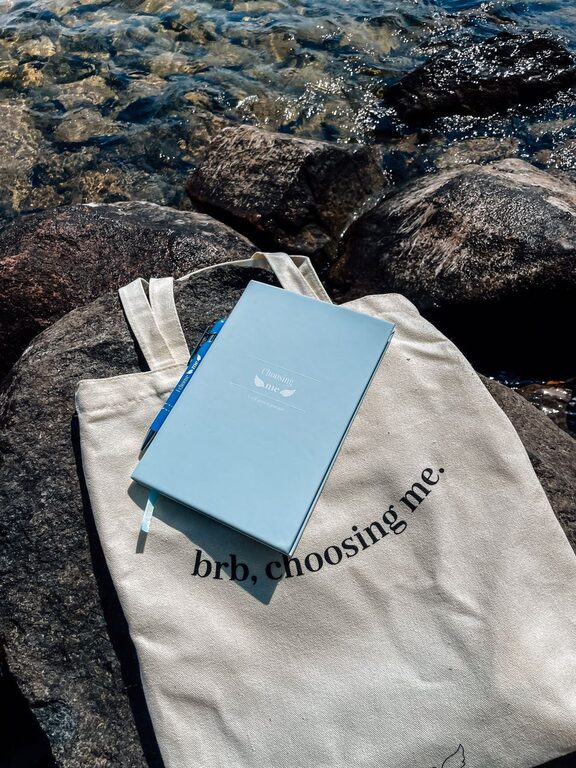
Choosing the right notebook might seem like a simple task, but it can have a significant impact on how often you use it—and how satisfied you feel when you do. Whether you’re looking for a journal, a planner, or a general-purpose notebook for work or school, selecting one that suits your style and needs helps ensure it becomes a trusted companion rather than a forgotten item on your shelf.
In this post, we’ll explore key factors to consider when picking a notebook you’ll actually use. From size and paper quality to layout and durability, these tips will guide you to find a notebook that motivates and supports your writing habits.
Why Choosing the Right Notebook Matters
Before diving into features, it’s helpful to understand why your notebook choice is important. A notebook should be more than just a stack of blank pages; it’s a space for thoughts, reminders, sketches, and plans. If the notebook feels unwieldy, unattractive, or inconvenient, you might avoid using it altogether. On the other hand, a notebook that feels right can encourage daily use and help you stay organized and creative.
Step 1: Identify Your Primary Use
Start by considering what you’ll mostly use the notebook for. This influences the size, paper type, and layout you’ll want.
Different Purposes, Different Needs
– Journaling or personal writing: You might prefer a medium to large notebook with lined or dot-grid pages to provide guidance without feeling restrictive.
– Planning and organization: A planner or a notebook with dated pages or sections can help keep track of schedules and to-do lists.
– Sketching and creative work: Blank or dot-grid pages with thicker paper work best for drawing and mixed media.
– Taking notes for school or work: A durable, portable notebook with lined pages can be ideal, possibly with sections or pockets for organization.
Knowing your primary purpose keeps you from buying a notebook with features you won’t use.
Step 2: Choose the Right Size and Portability
The size of your notebook affects where and how you use it.
– Pocket-sized (A6 or around 4×6 inches): Great for on-the-go notes and quick lists, but limited writing space.
– Medium-sized (A5 or about 5.8×8.3 inches): Popular size that balances portability and enough room for detailed notes.
– Large notebooks (A4 or letter size): Better for extensive notes or sketches but less portable.
Consider your lifestyle. Do you carry a bag or backpack regularly? Does your notebook need to fit in a purse or jacket pocket? Balancing portability with usable space is key.
Step 3: Paper Quality and Type Matter
Paper quality affects how your writing tools perform and how pleasant it is to write or draw on the pages.
– Paper weight: Measured in grams per square meter (gsm), higher gsm means thicker paper that prevents ink bleed-through. Standard notebooks often use 70-80 gsm, but if you use markers or fountain pens, choose 90 gsm or higher.
– Paper texture: Smooth paper is ideal for fine pens; textured paper works well with pencils.
– Color: Most notebooks have white or cream-colored pages. Cream paper can be easier on the eyes for long sessions.
If you want your notebook to last, don’t overlook paper quality.
Step 4: Decide on the Binding Type
How a notebook is bound affects how it opens and closes, and how easy it is to write on every page.
– Spiral binding: Allows the notebook to lie flat and fold back on itself, making it comfortable for left- and right-handed users.
– Perfect binding (glued spine): Looks sleek but may not lay flat, which could be inconvenient for writing near the spine.
– Sewn binding: Durable and often lies flat when open.
– Hardcover or softcover: Hardcover notebooks offer protection but are heavier, while softcover notebooks are lighter and more flexible.
Think about your typical writing environment and preferences when choosing binding.
Step 5: Consider the Layout and Page Design
The page layout sets the tone for how you interact with your notebook.
– Lined pages: Help keep handwriting straight, good for most writing.
– Dot-grid pages: Offer subtle guidance, perfect for bullet journaling, sketching, or a mix of writing and drawing.
– Grid pages: Useful for technical notes, graphs, or sketches.
– Blank pages: Provide unrestricted space for sketching or mind-mapping but can be challenging for neat handwriting.
Some notebooks even combine layouts or include pre-designed sections like calendars, habit trackers, or index pages.
Step 6: Look for Extra Features You’ll Use
Additional features might enhance your notebook’s usefulness or enjoyment.
– Page numbers or index pages: Help you organize and find content easily.
– Ribbon markers: Allow quick access to your current page.
– Elastic closure bands: Keep your notebook securely closed.
– Pen loops or pockets: Convenient storage for pens, notes, and receipts.
– Pre-printed prompts or templates: Helpful for guided journaling or planning.
Make sure the extras match your habits; avoid features you won’t use to keep the notebook simple and inviting.
Step 7: Pick a Design You Love
The look and feel of a notebook can influence how motivated you are to use it.
– Color and cover design: Choose colors or patterns that make you happy or calm.
– Material: Leather, faux leather, fabric, or cardboard covers all have different tactile experiences.
– Personalization: Some brands offer monogramming or custom covers for a personal touch.
Remember, your notebook should feel inviting so it’s enjoyable to open.
Step 8: Test Before You Commit
When possible, visit a store to physically examine notebooks. Feel the paper, try writing on a sample page, check how the notebook opens and closes, and hold it to assess size and weight.
If buying online, read reviews and look for product images that show details like page layout and binding quality.
Maintaining Your Notebook
Once you’ve chosen the perfect notebook, take care of it to keep it looking and functioning well:
– Store it in a dry place.
– Use a protective cover or sleeve if you carry it around.
– Avoid bending pages or spilling liquids.
Good maintenance helps your notebook stay useful and beautiful over time.
Final Thoughts
Selecting a notebook you’ll actually use requires some thought about your habits, preferences, and needs. By focusing on the purpose, size, paper quality, binding, layout, features, and design, you can find one that inspires you to write regularly and keeps your notes organized.
Remember, the best notebook is one that feels right for you—so take the time to find it. Happy writing!